Bettina Julia Eggerbettinajuliaegger.ultra-book.com
Bettina Julia Egger was born in Austria but now lives in France. In 2004, she earned her master's degree in arts from the Sorbonne itself, and two years later, a master's degree in fine arts from the University of Rennes. Her engravings and comics have been exhibited in France, Austria, and Russia. Yes, her exhibition was held in our country as well — in Moscow, at the Bulgakov House museum. There, visitors became acquainted with a series of works called Moscou endiablé. Sur les traces de Maître et Marguerite (Devil-ridden Moscow. In the Footsteps of the Master and Margarita). Bettina approached this project very carefully: she studied Bulgakov's biography, made sketches of key locations in Bulgakov's Moscow, and spoke with Bulgakov scholars... In short, she worked diligently and with great care. We will now see some of her Bulgakov-related works.
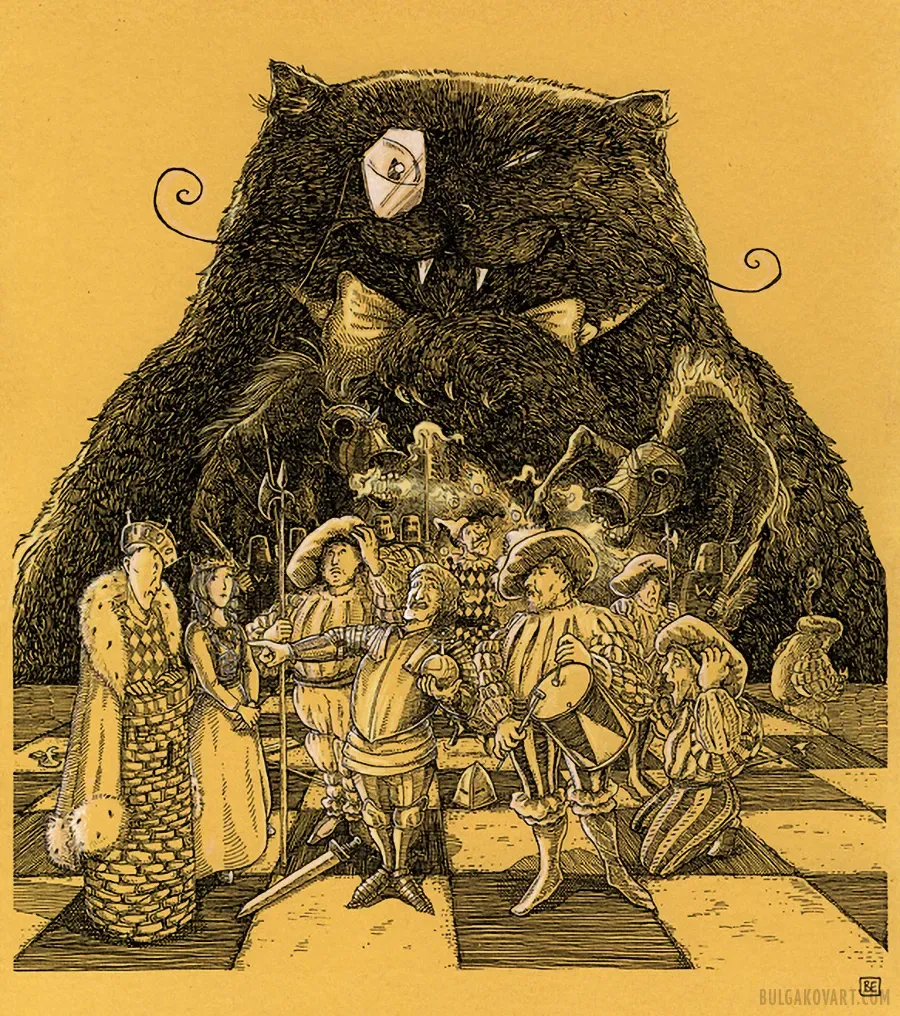
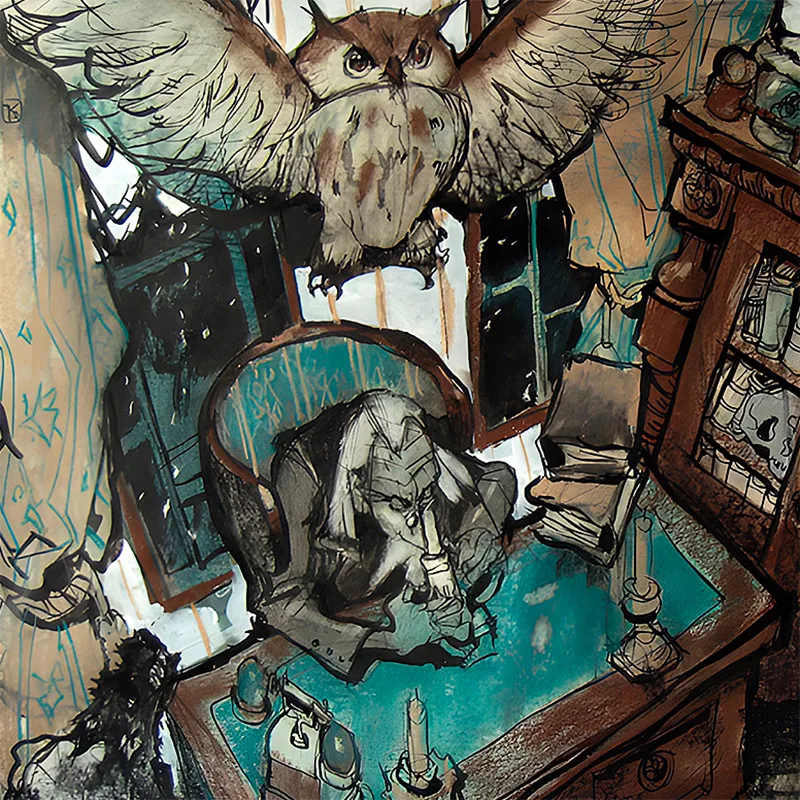
Here is the cover of the series: In the Footsteps of the Master and Margarita

But the footsteps will come later; first, here are the artist's Bulgakov comics.
The picture shows the scene of the Hetman's escape from play The Days of the Turbins. On the right is Shervinsky.
In 1929, the play The Days of the Turbins was banned. But in 1932, it was permitted again by Stalin's personal order.
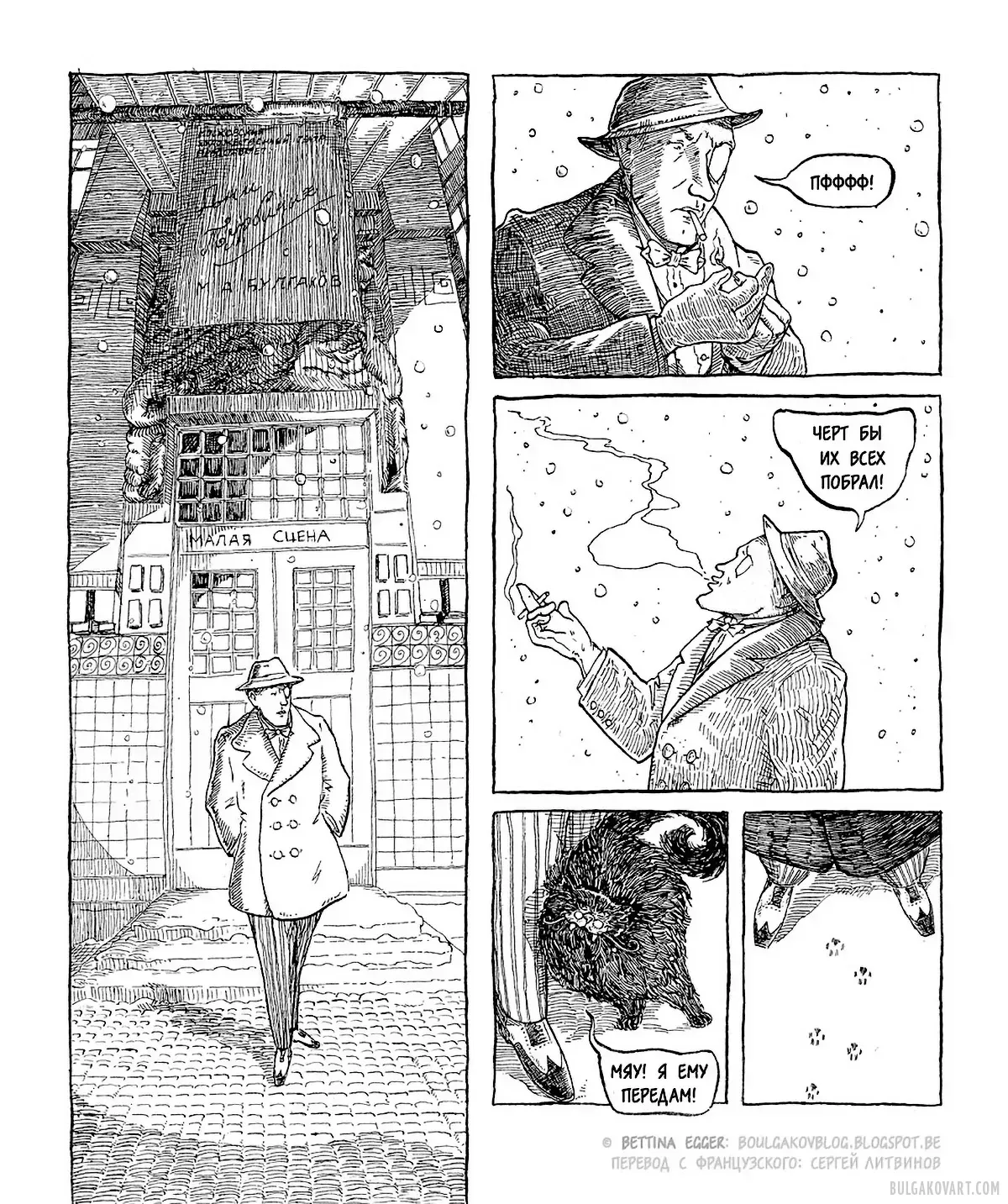
The text of the comic, by the way, was not made up by the artist; it's based on Sergey Ermolinsky's memoirs about his conversations with Bulgakov.
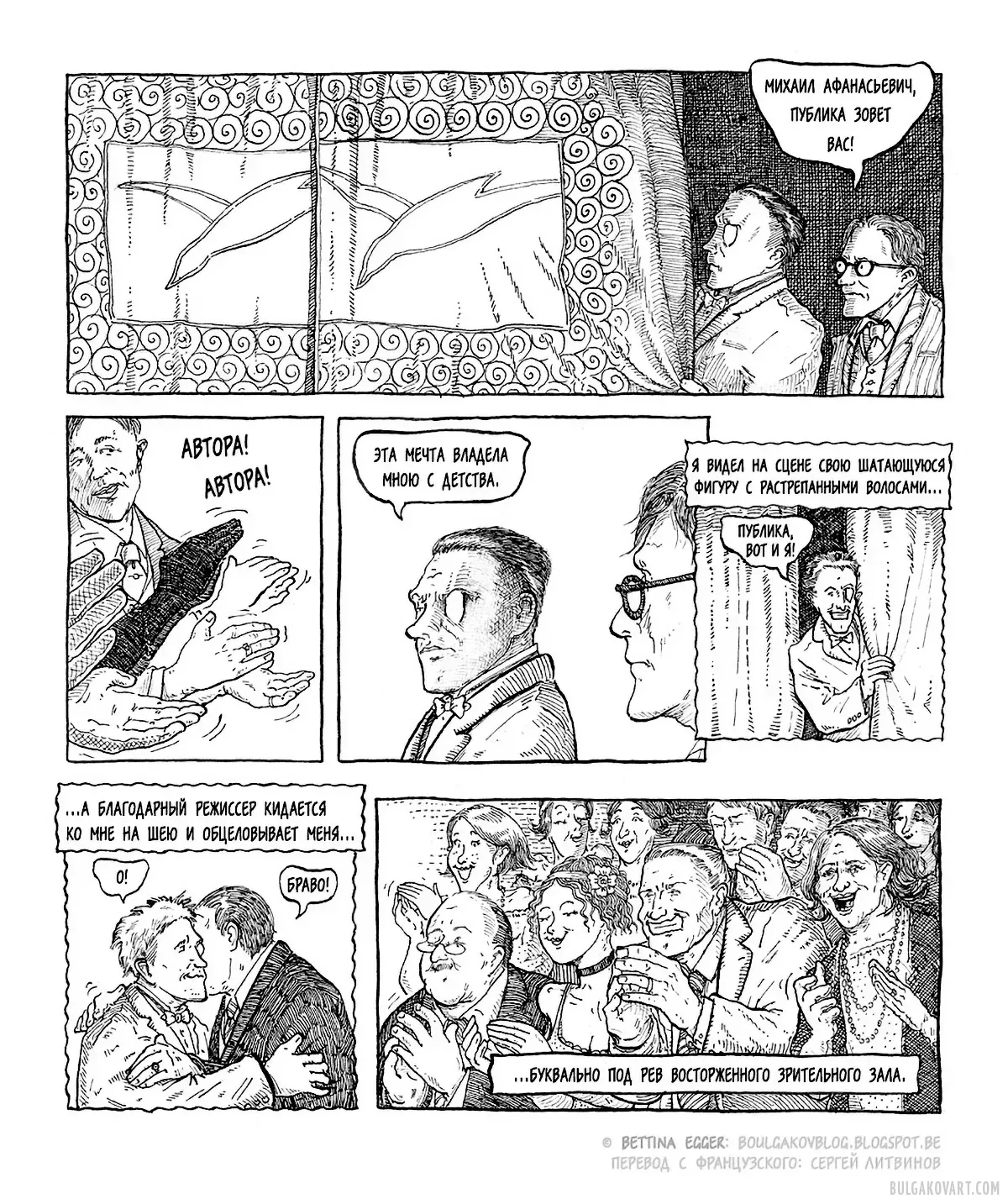
And here, by the way, is Stalin himself. Strangely enough, he loved this play and saw it more than a dozen times.

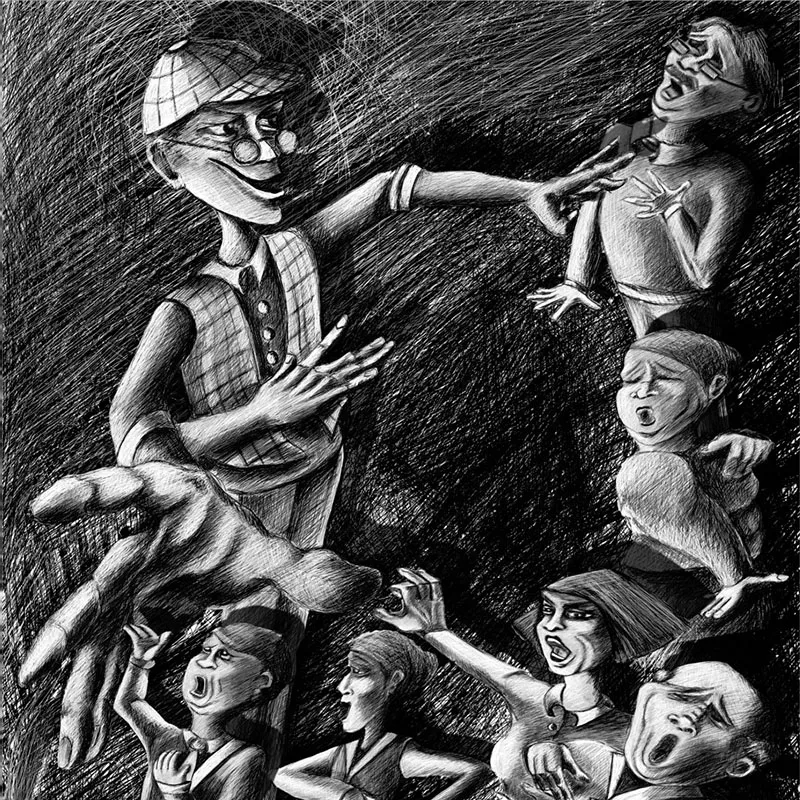
And this is already The Master and Margarita. The hysteria among Muscovites because of the rumors about the evil spirits.

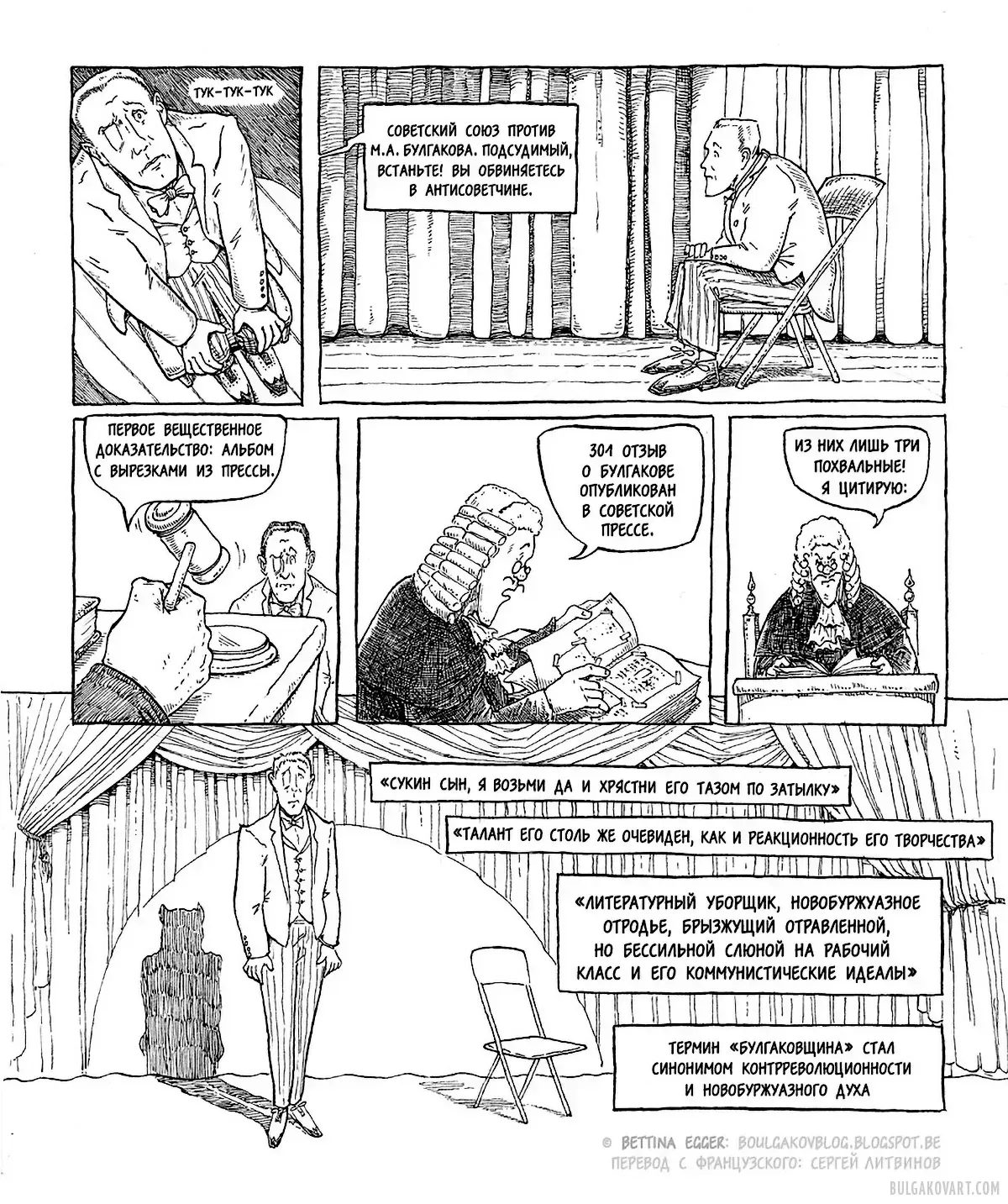
The trial of Bulgakov. This, of course, never happened in real life, but the quoted abusive publications are real. Bulgakov did, in fact, collect them in a special album.
Already mortally ill, Mikhail Afanasyevich makes corrections to the novel (practically all the drawings here are copied from photographs. So here, Bulgakov is finally without the monocle grown into his eye).

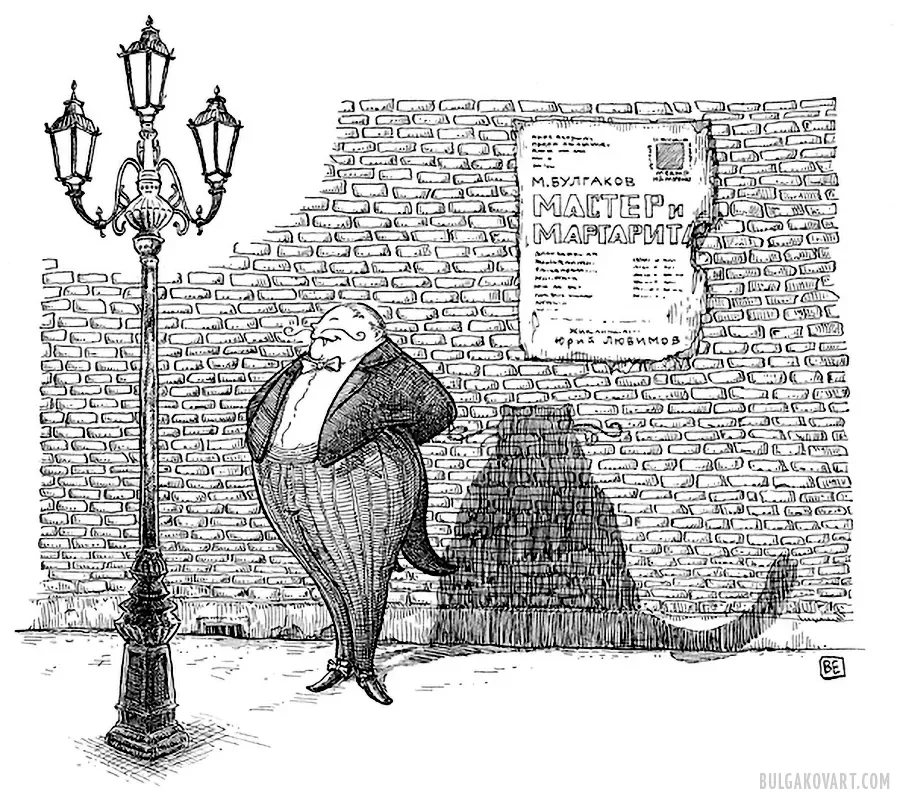
And now, at last, in the footsteps of The Master and Margarita.
Here, for example, is what the Master's house in Mansurovsky Lane looks like today.
And this is the house where Bulgakov himself lived and where he placed Woland's gang in the novel — house 302-bis on Sadovaya Street. Today it is a Bulgakov museum.
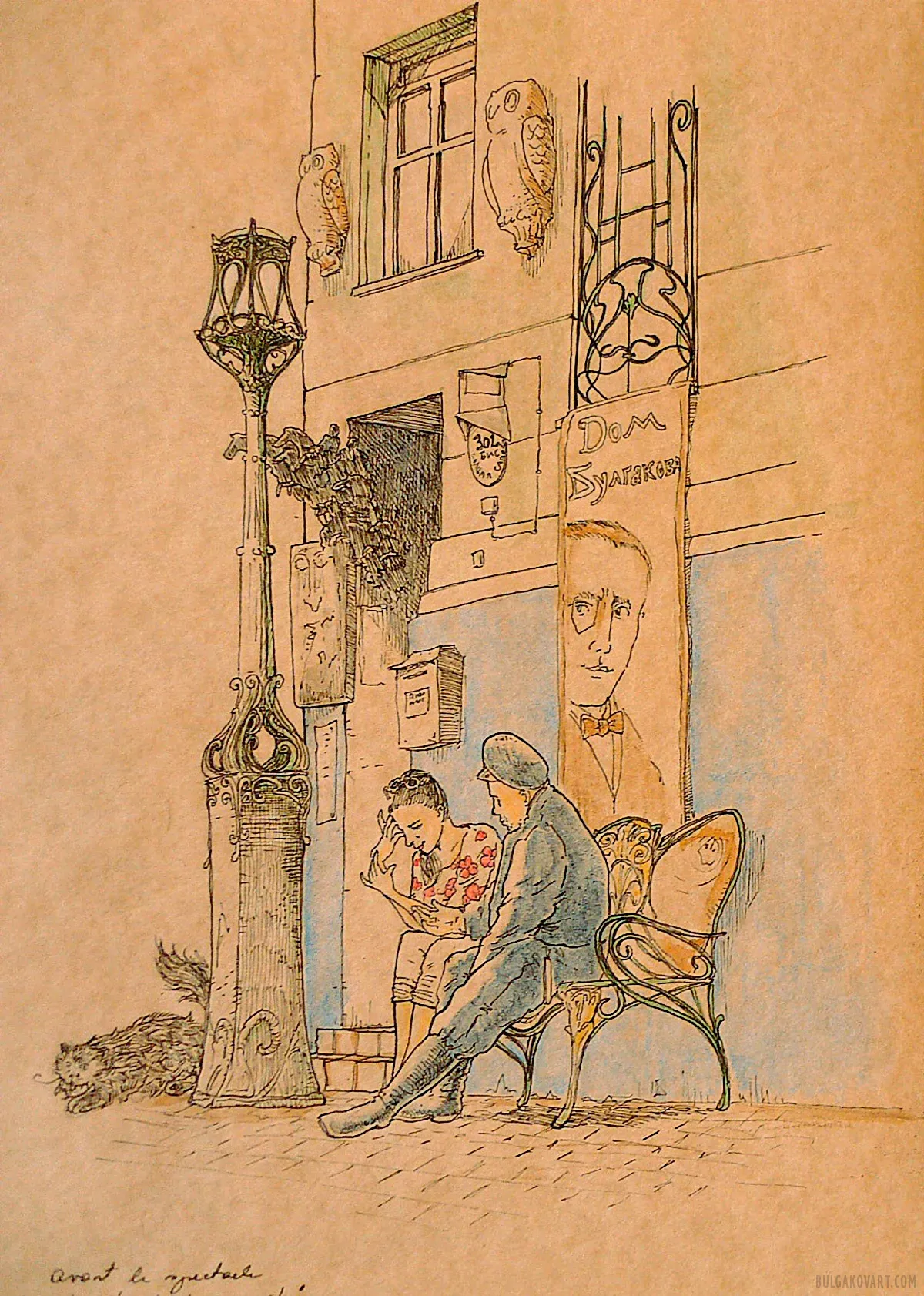
This is what the room in communal apartment 50, where Bulgakov lived for four years, looks like.
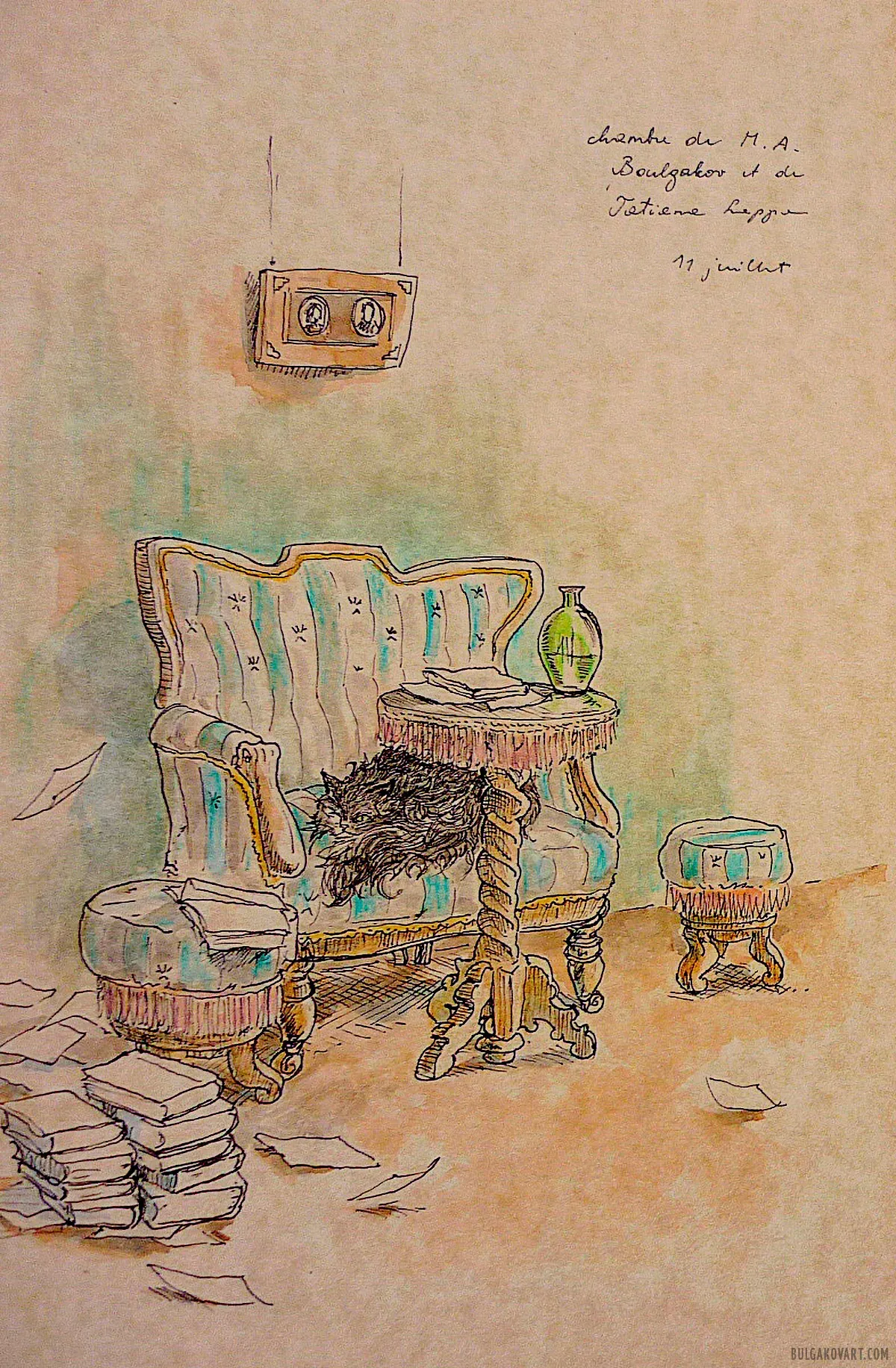
And this is how the communal kitchen, the domain of the proletarian Annushkas, was recreated in the museum.
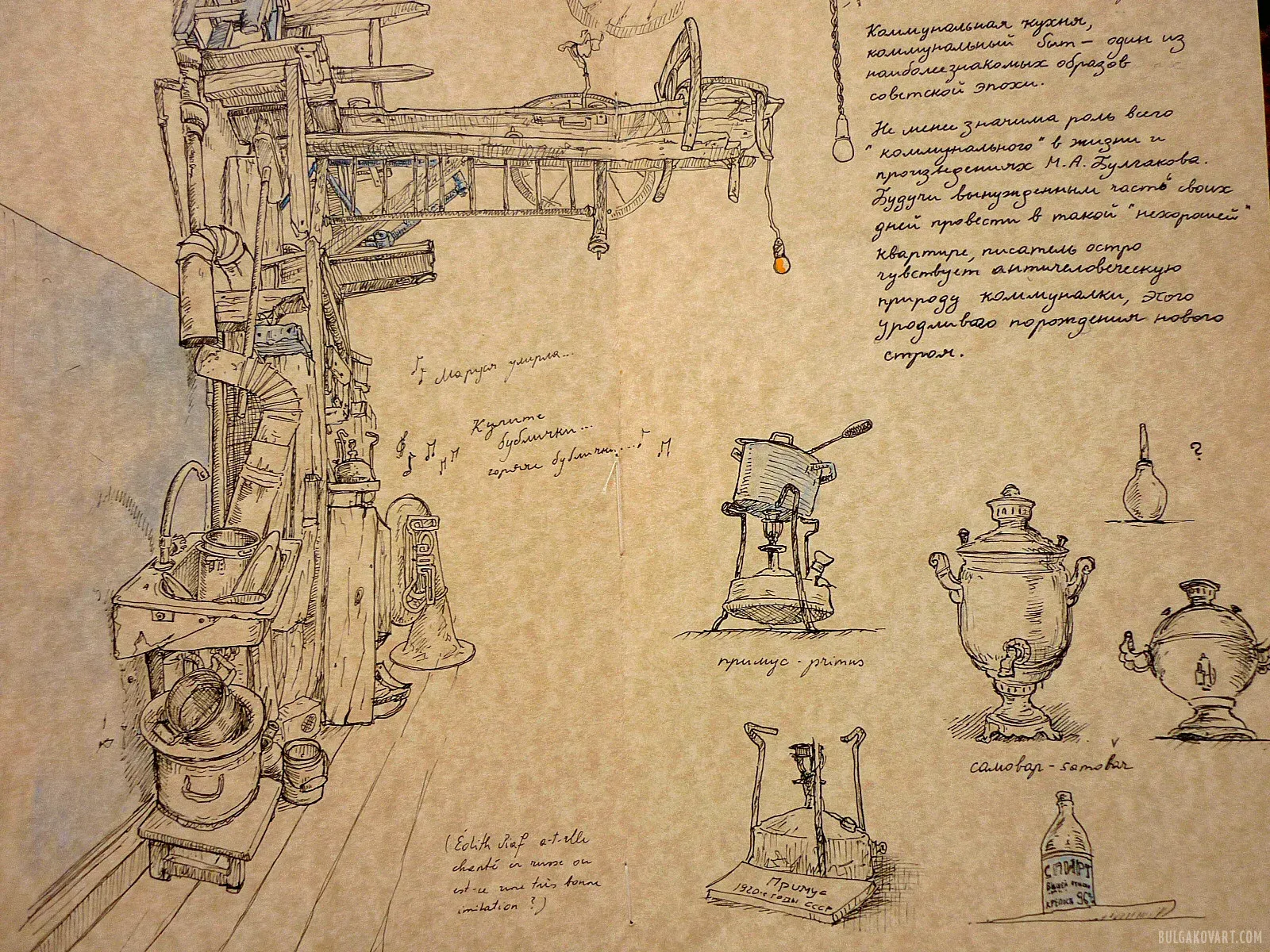
Strange foreigners are looking at the famous sign “Talking to strangers is prohibited” at Patriarch's Ponds.

And this is the Griboyedov House (which Bulgakov based on the Herzen House). The observant viewer will find foreigners here as well.

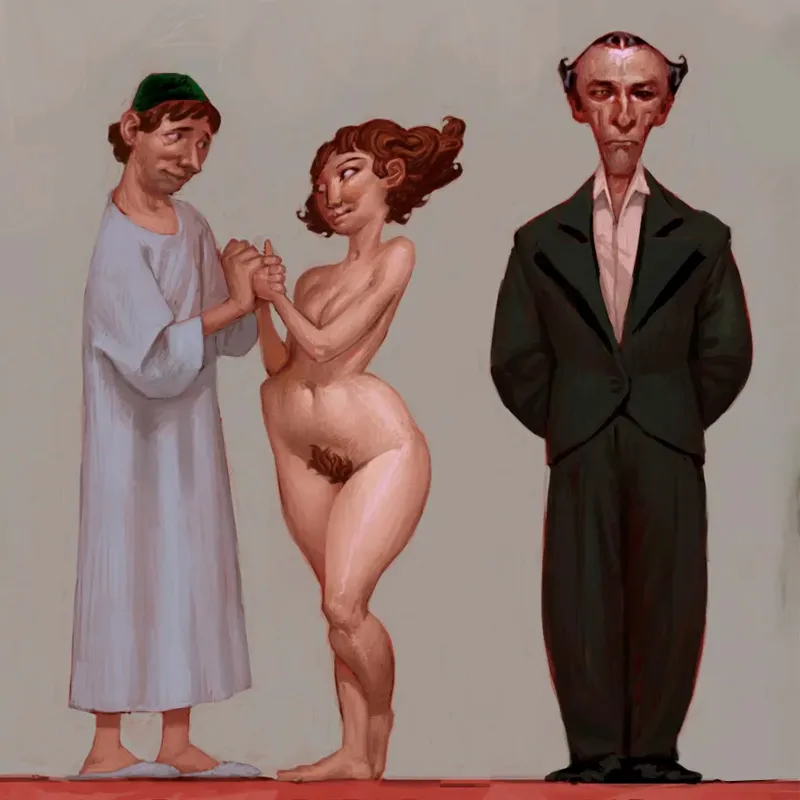
And finally

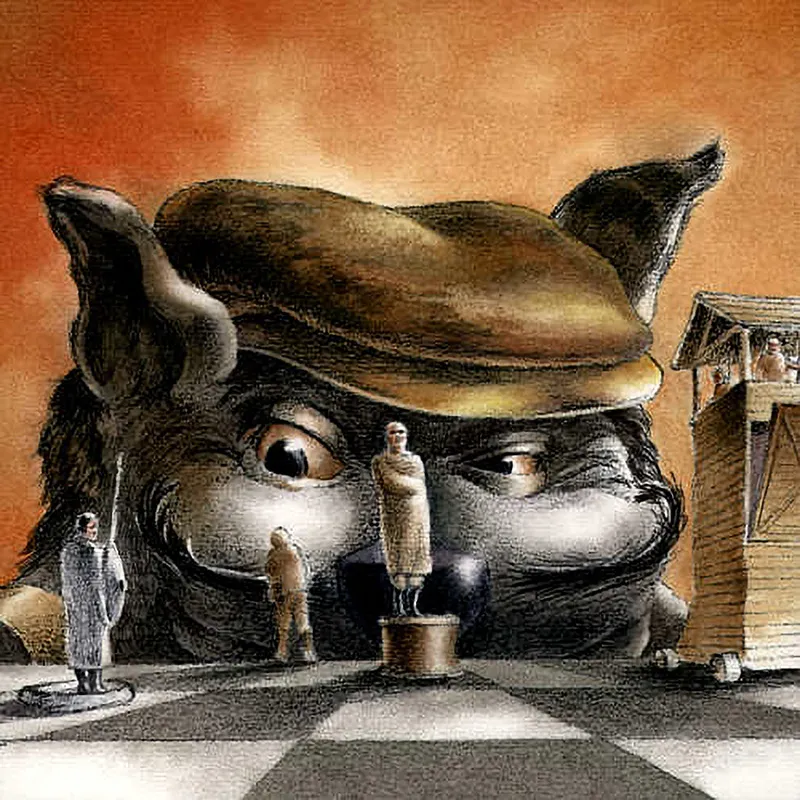
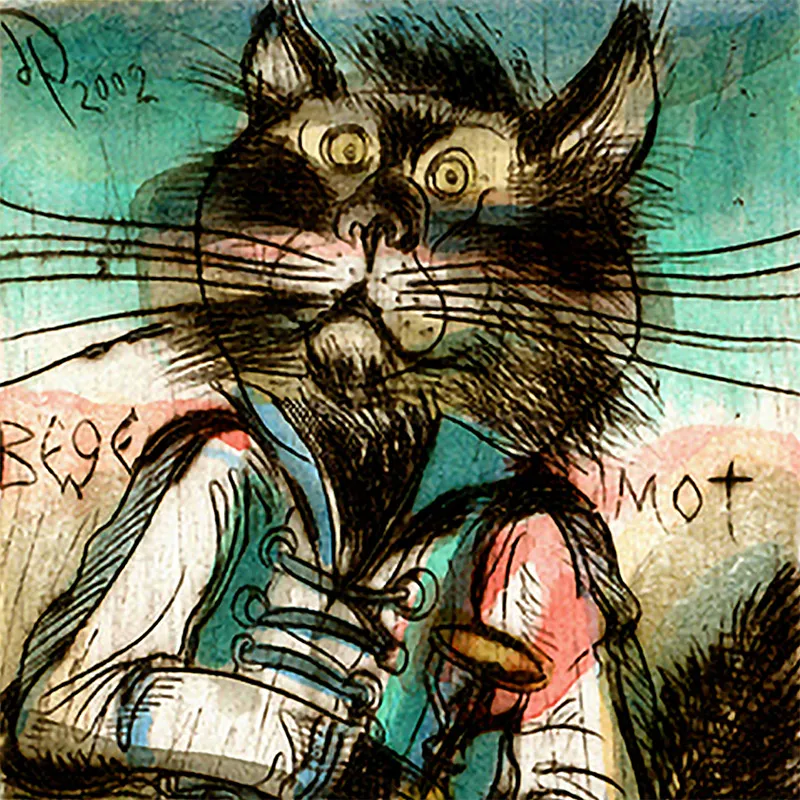
Oh, right. I almost forgot. The most charming character
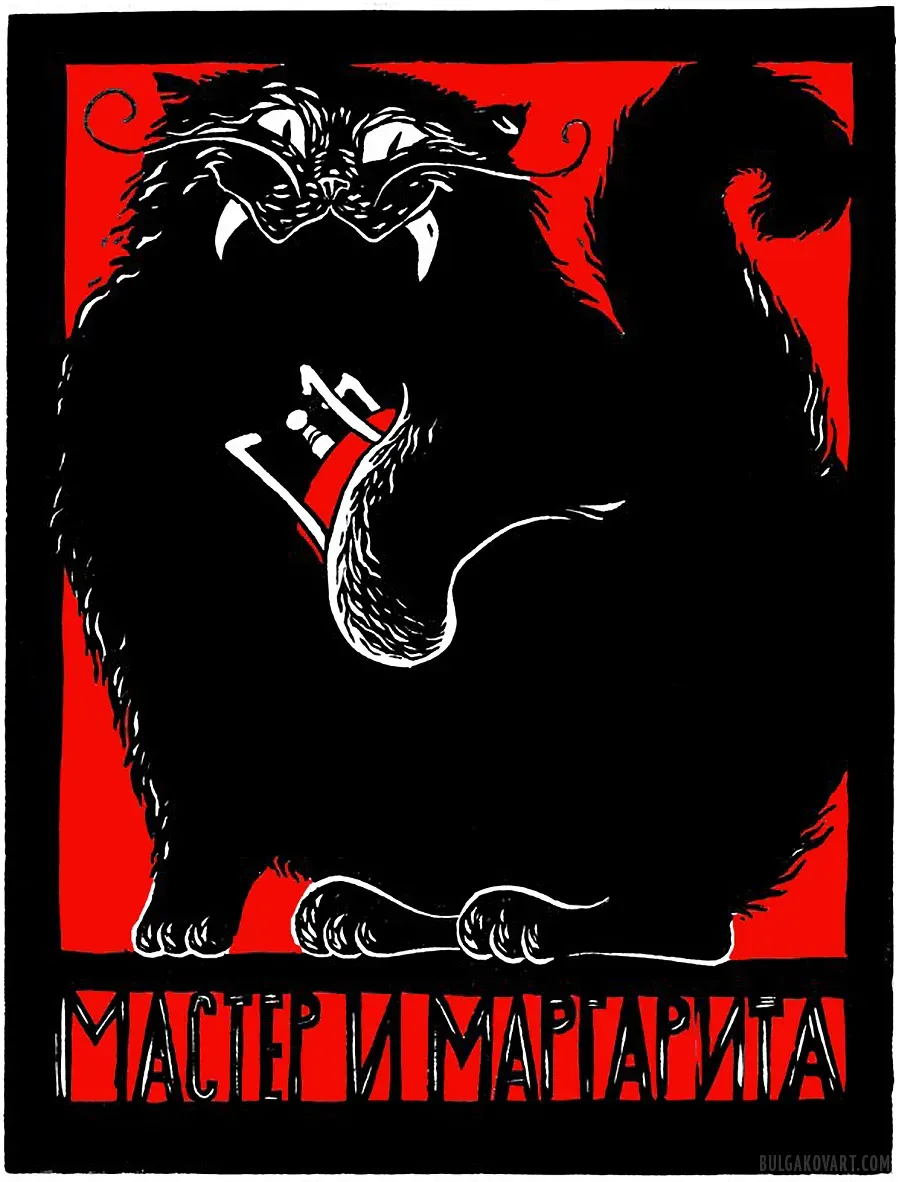
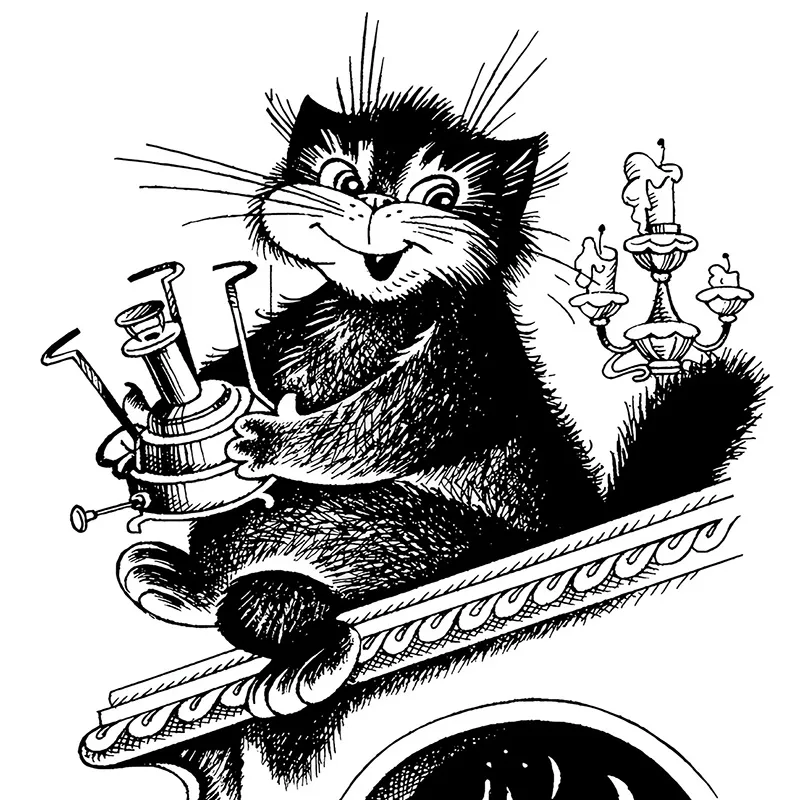
And him again. Everyone loves cats